None of this is convenient. That is exactly the point. Simplicity, taken far enough, turns into the highest kind of sophistication.
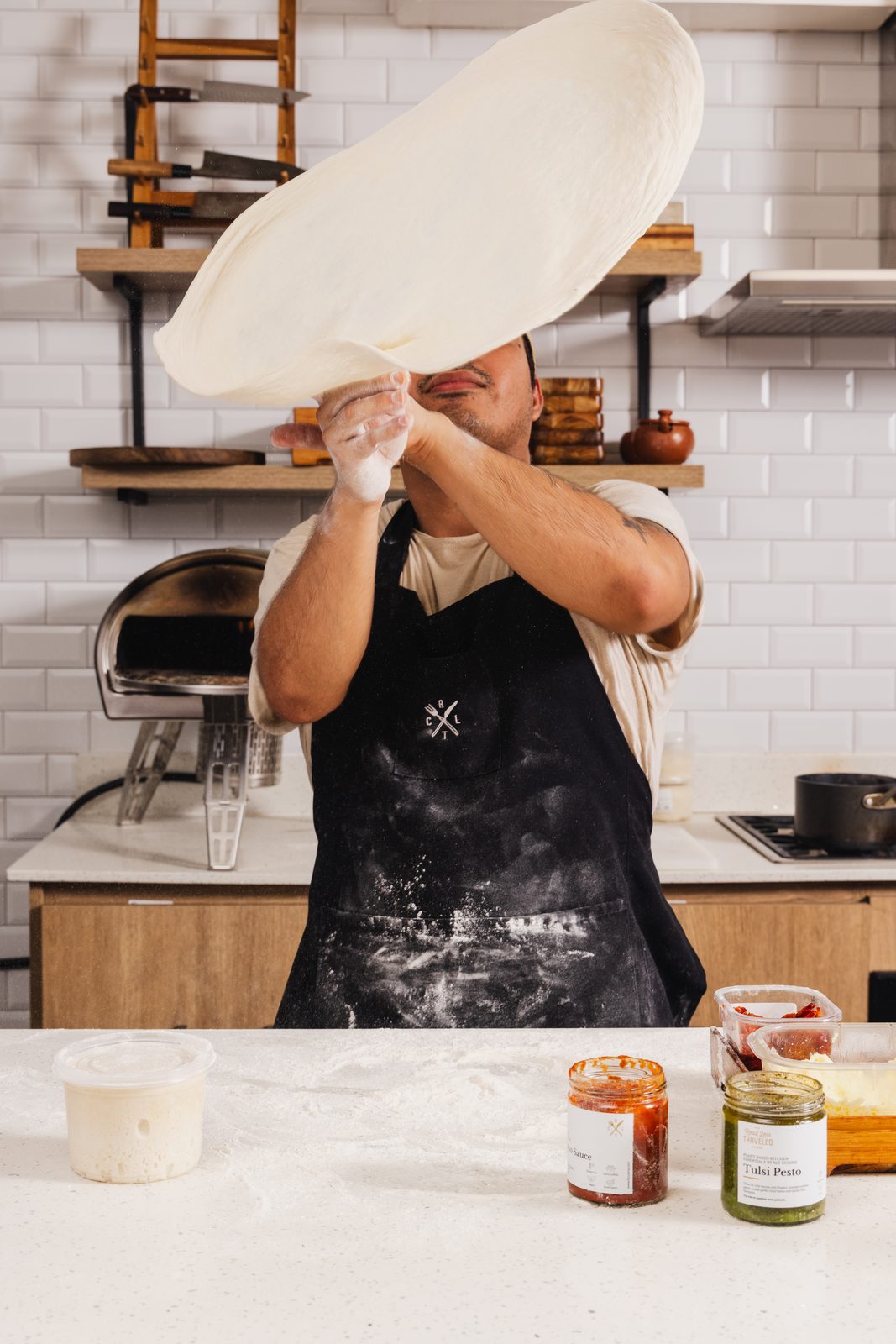
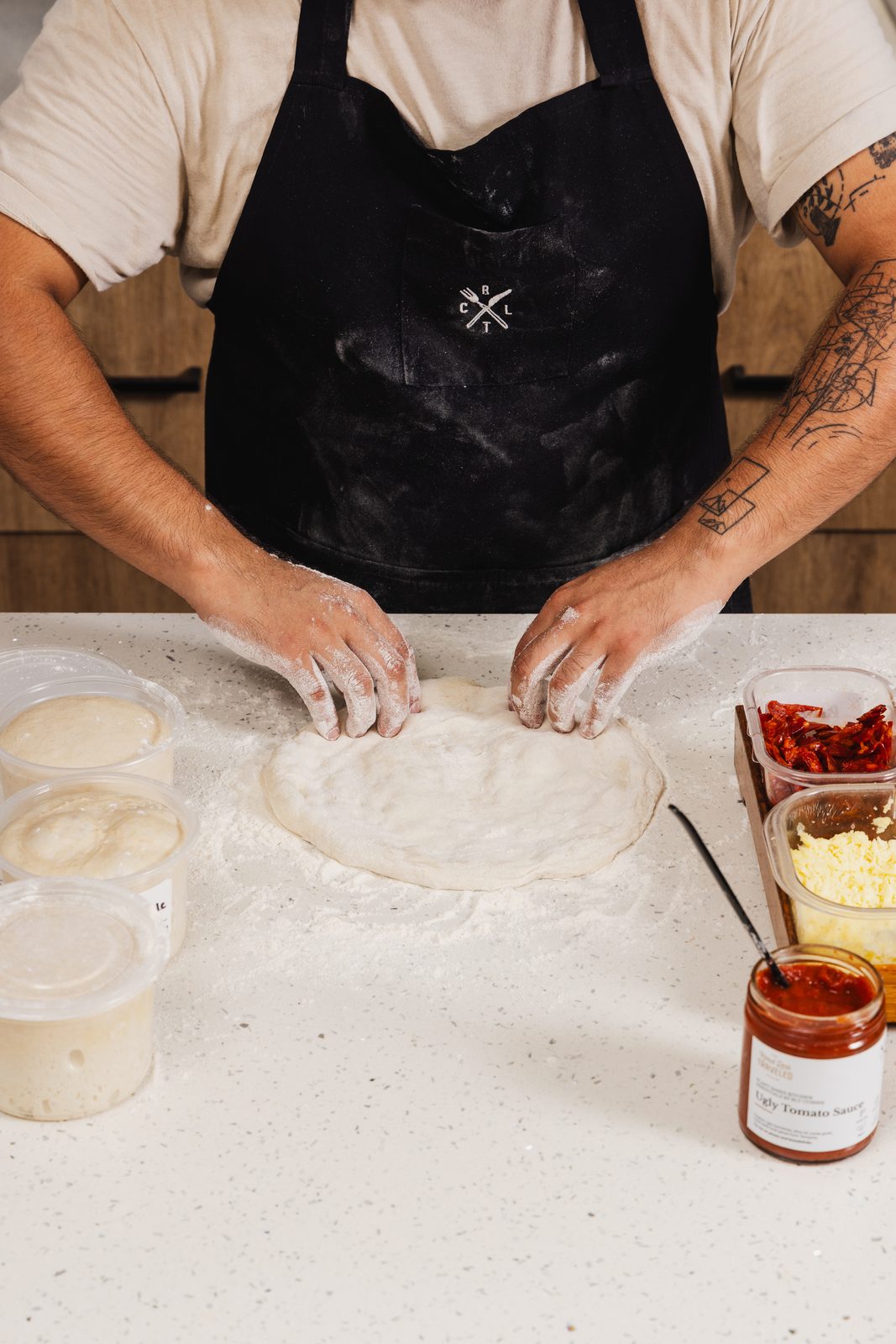
Holy Crust started because Gilberto wanted to cook pizza the slow way in a country where almost nobody does. Two days of fermentation, a sauce made from the tomatoes the market cannot sell, cheese from Zarcero and hams cut by hand. It is a lot of work for something people eat standing up, and that is the joke the whole brand is built on.
The dough
Wild yeast, two days in the cold. A long ferment is not about flavour alone: it breaks down the flour enough that the crust stays light after a day, and it is the reason a Holy Crust cornicione is airy instead of bready. We do not use commercial yeast to rush it.
The sauce
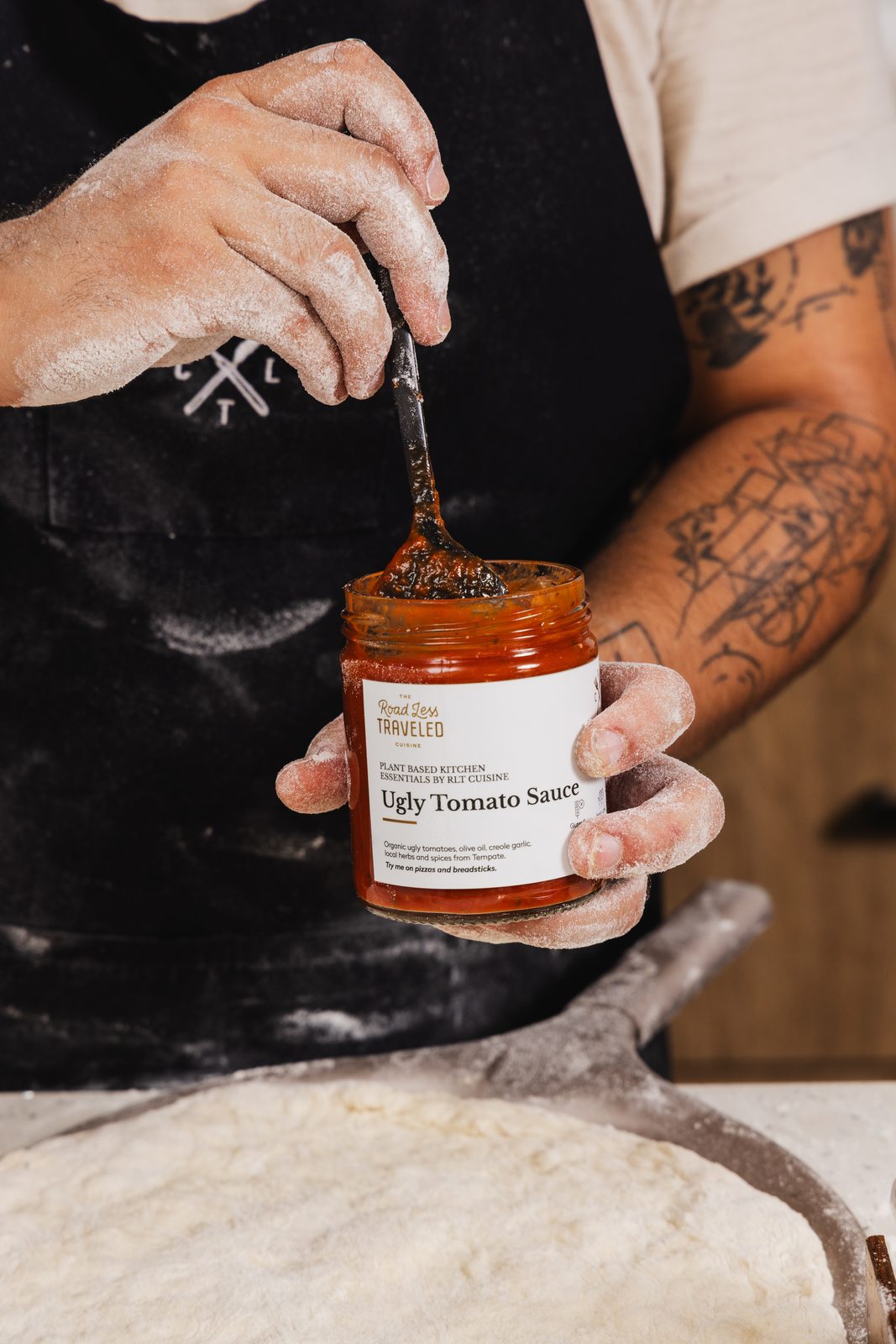
We buy the ugliest, most overripe tomatoes at the farmers market, the ones nobody wants, and cook them down for hours with nothing clever added. The jar says Ugly Tomato Sauce because that is exactly what it is, and because a tomato that ripe has no reason to apologise.
The cheese and the hams
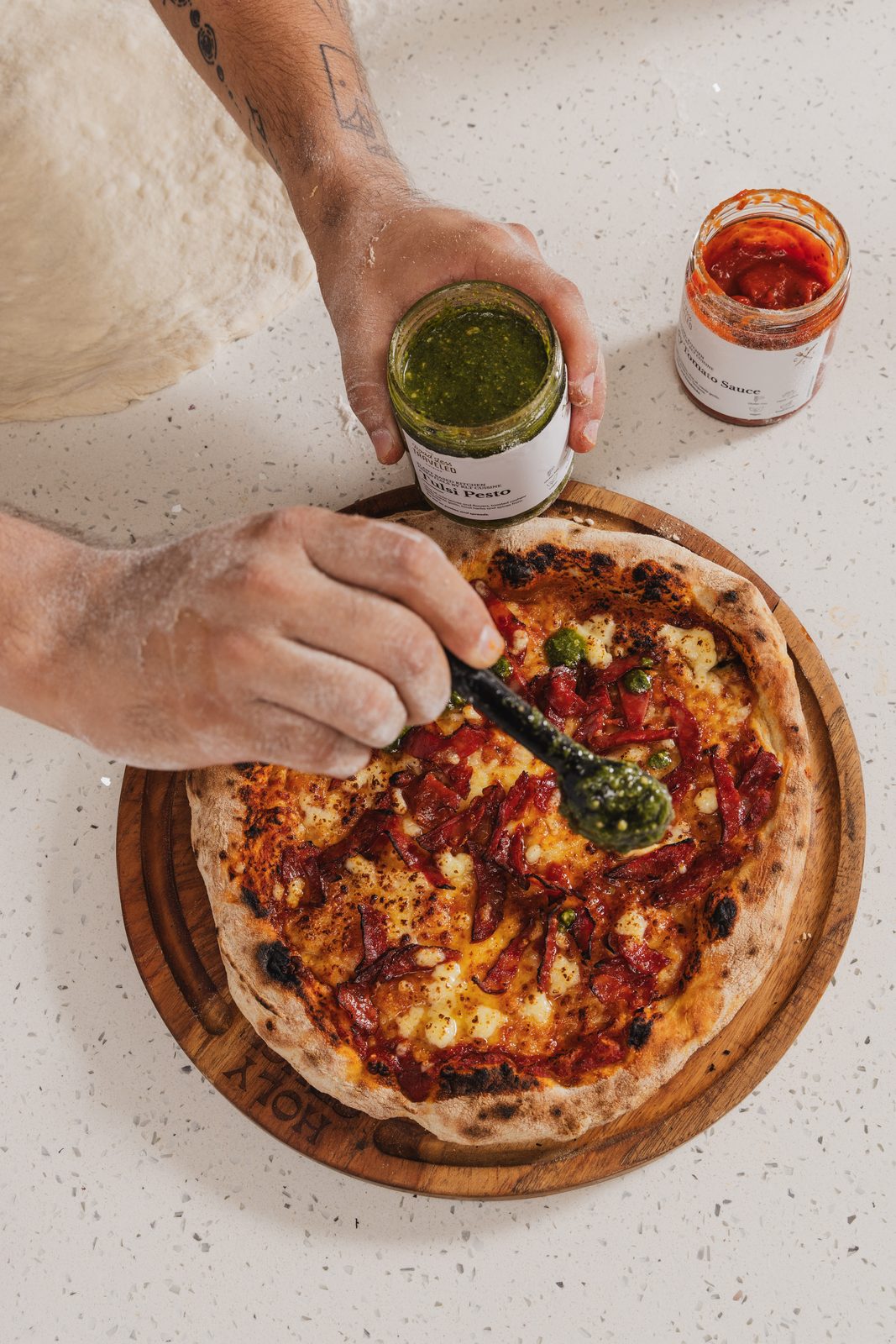
Palmito from Zarcero, which melts the way a mozzarella should and comes from four hours up the road instead of across an ocean. The chorizo, the salami and the Serrano tips are carved by hand, one slice at a time, because a machine cuts them into paper and paper has no texture.
The fire
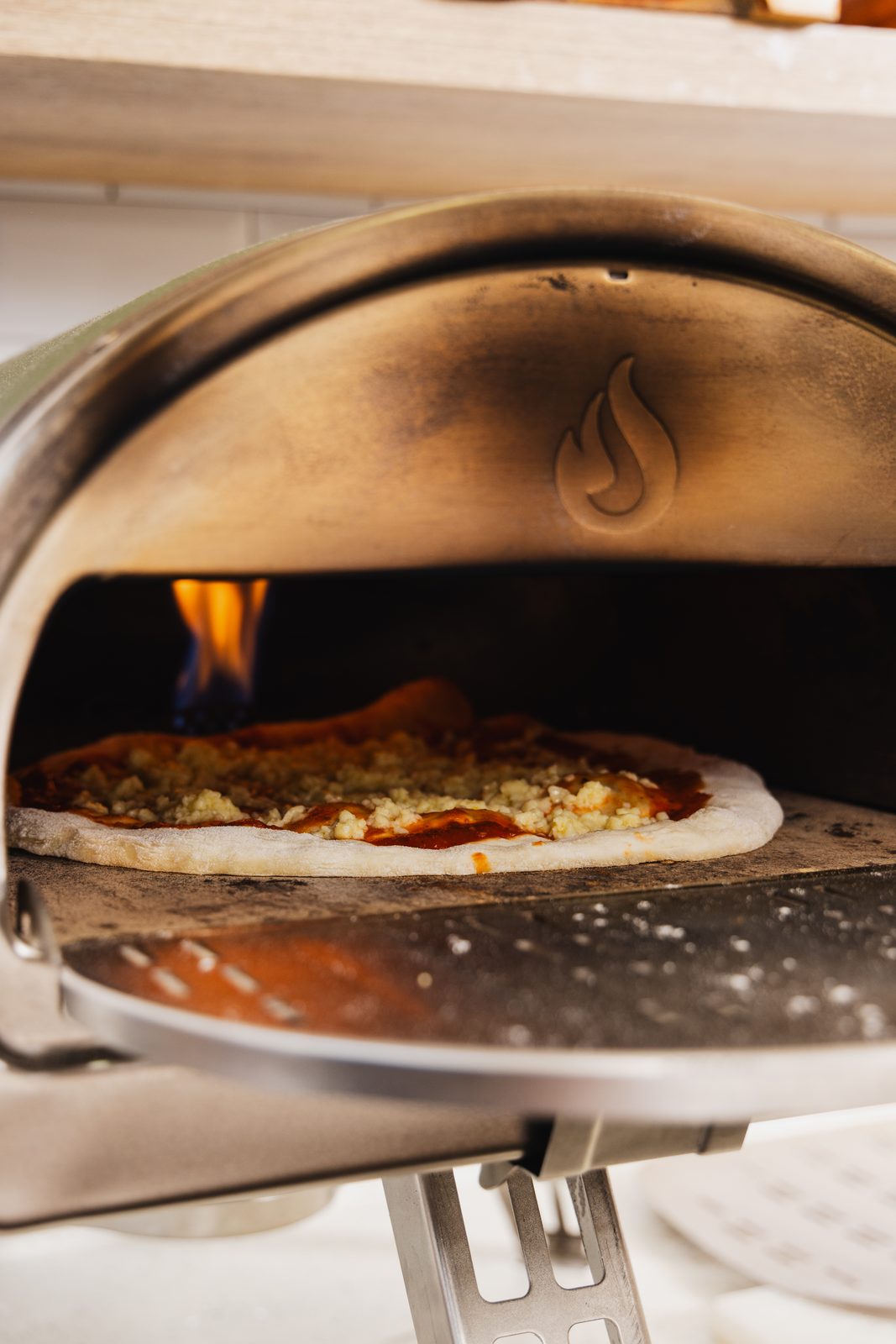
A stone oven running hot enough to finish a pizza in about ninety seconds. That speed is the whole reason the crust puffs and chars in spots instead of drying out. It also means the pizza reaches the table from the fire, not from a warming tray.
2Days of cold ferment
90sOn the stone
0Waste, by design
The craft
Zero waste, by design
The tomatoes nobody buys become the sauce. The dough that does not get shaped becomes focaccia for the crew. Trim from the boards goes back into the next day’s prep. It is not a sustainability programme, it is how a small kitchen that respects its ingredients has always worked.
Want to try it at home?
Our dough calculator does the arithmetic for you: flour, water, salt, starter and the rest time for as many balls as you need, with the same cold ferment we use before an event.
Send the form and you get a package per guest in writing, usually the same day and always within 24 hours. Nothing is charged here and sending it does not hold a date.